Welcome to the Land of Tigers
Unexplored Ranthambore, Explore The Heritage in Wilderness
Visit Ranthambore Tiger Reserve to sight the Royal Bengal Tiger & explore the heritage in wilderness.
Ranthambore National Park, one of the top destinations for wildlife tourism located in the Sawai Madhopur district of the Rajasthan State in India. The biggest and the most well-known national park in North India is about 130 km from Jaipur.
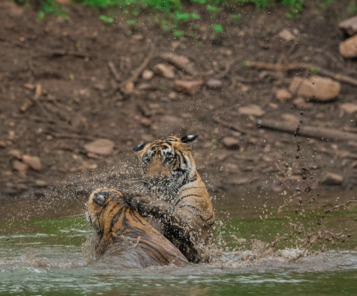
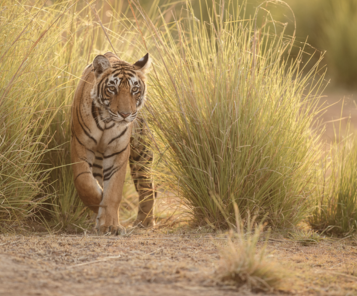
Once the hunting ground for the Maharajas, today It is one of the best places to see beautiful carnivores in the jungle living natively and is most renowned for its tiger population.
Location
Sawai Madhopur, Rajasthan
Best Months
October - June
Park Area
1,334 sq km
Tiger Population
80+ Tigers
Experiences Await
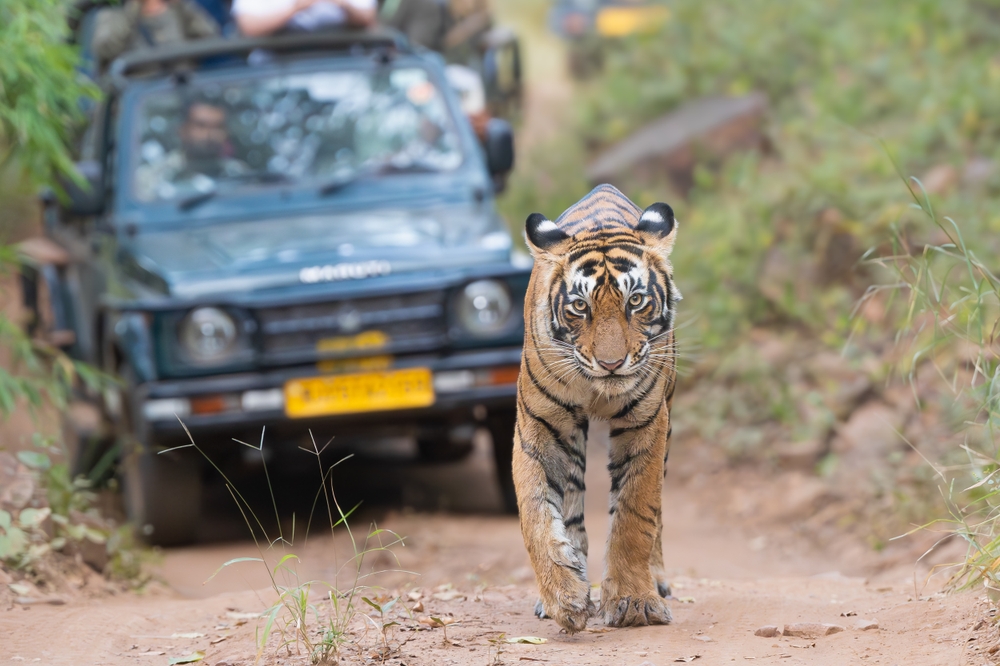
From thrilling tiger safaris to birdwatching, photography, and nature walks, Ranthambore offers unforgettable wildlife experiences.
Experience thrilling wildlife encounters in Ranthambore's dense forests, spotting tigers, leopards, deer, and diverse animals amidst stunning natural landscapes.
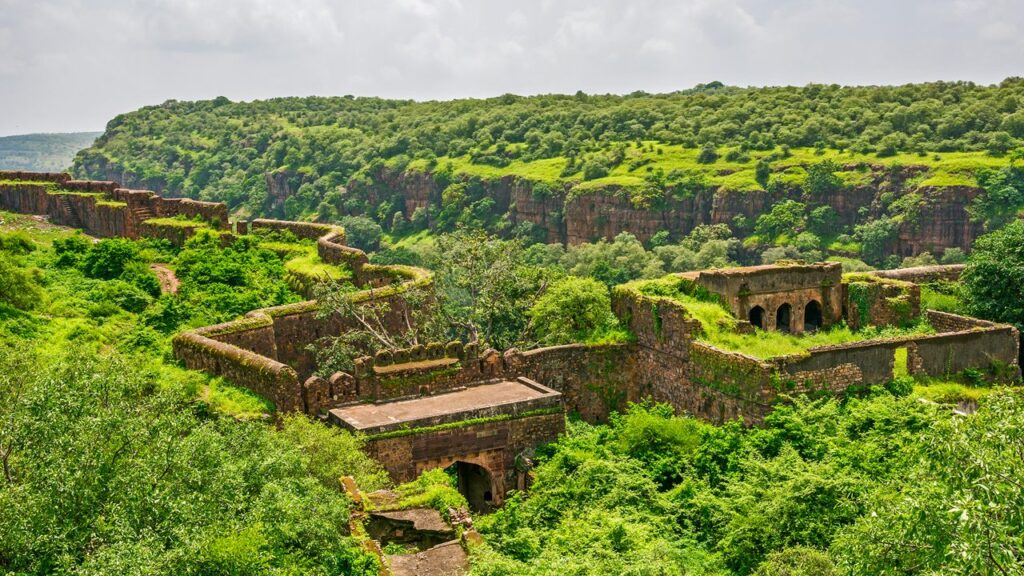
Explore majestic Ranthambore Fort with an expert guide, uncovering ancient history, royal stories, scenic viewpoints, and impressive architectural wonders.
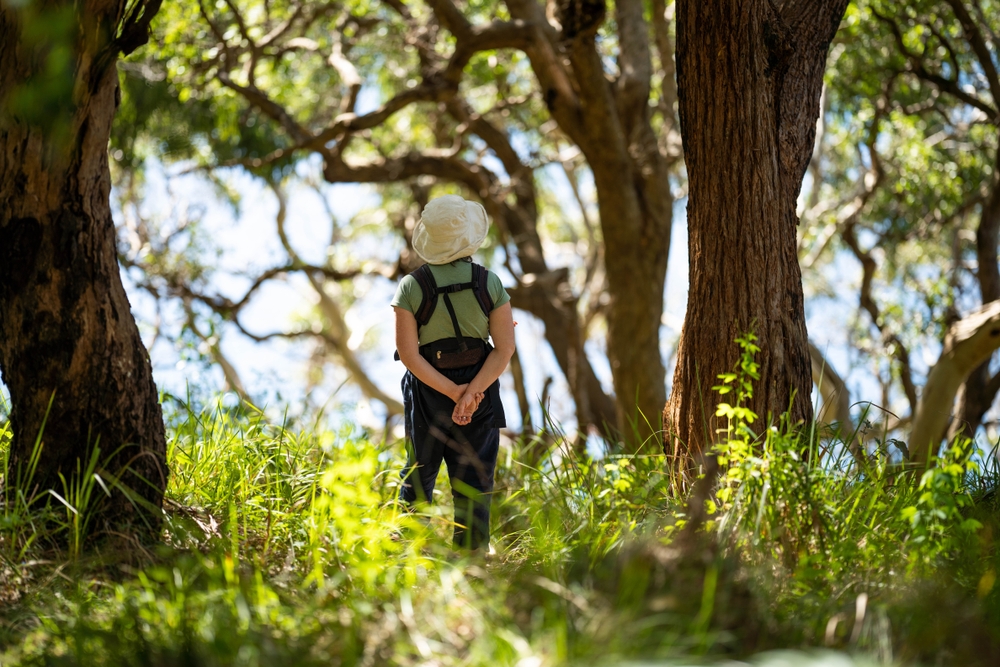
Enjoy a peaceful nature walk through forests, observing flora, small wildlife, fresh air, and scenic trails perfect for relaxation.
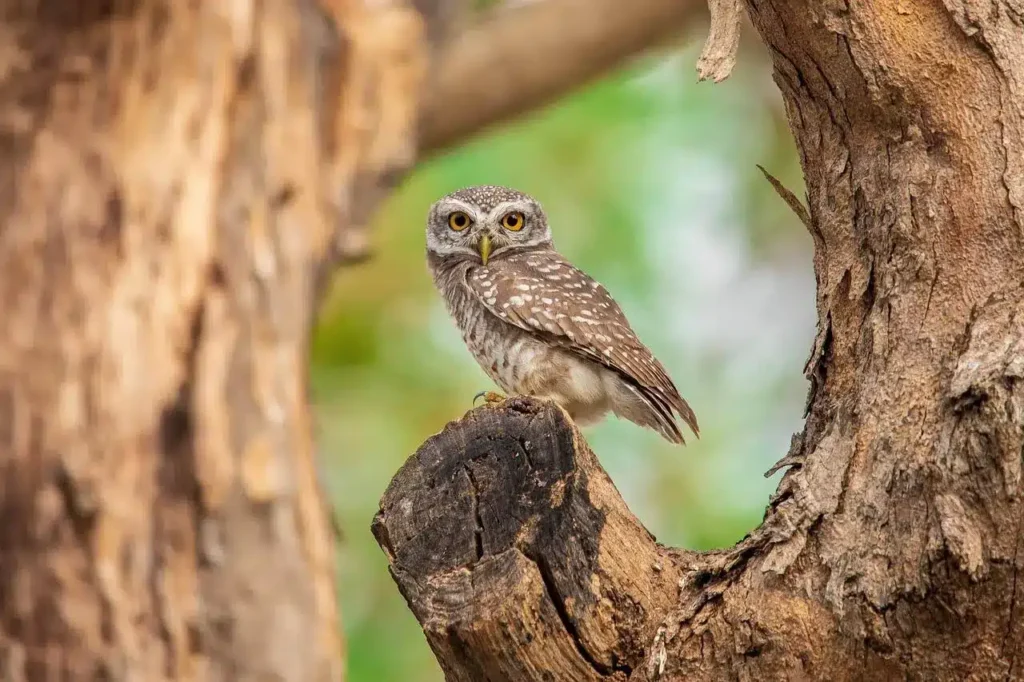
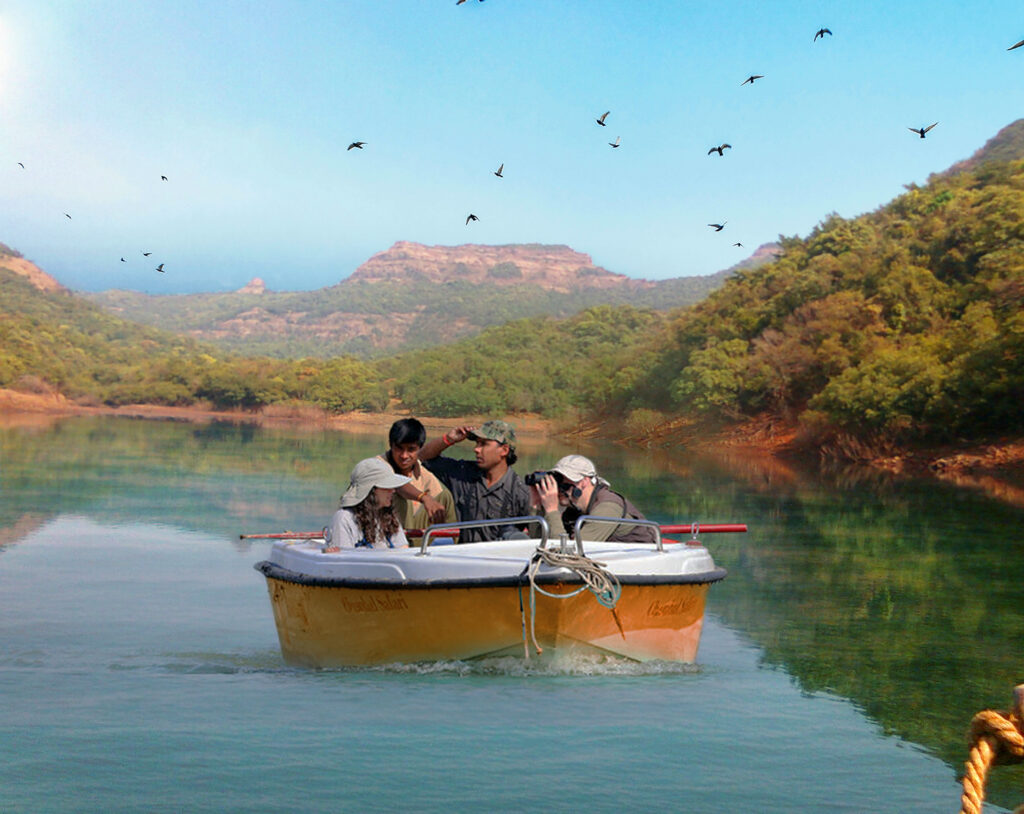
Discover vibrant birdlife with an expert naturalist, spotting eagles, owls, kingfishers, water birds, and many migratory species around Ranthambore.
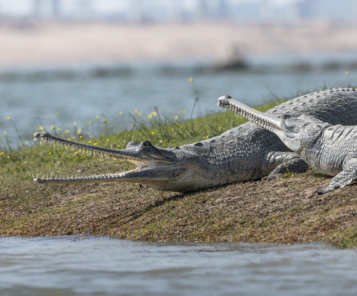
Cruise along the Chambal River spotting gharials, crocodiles, turtles, unique birdlife, and enjoying serene waters with spectacular landscapes.
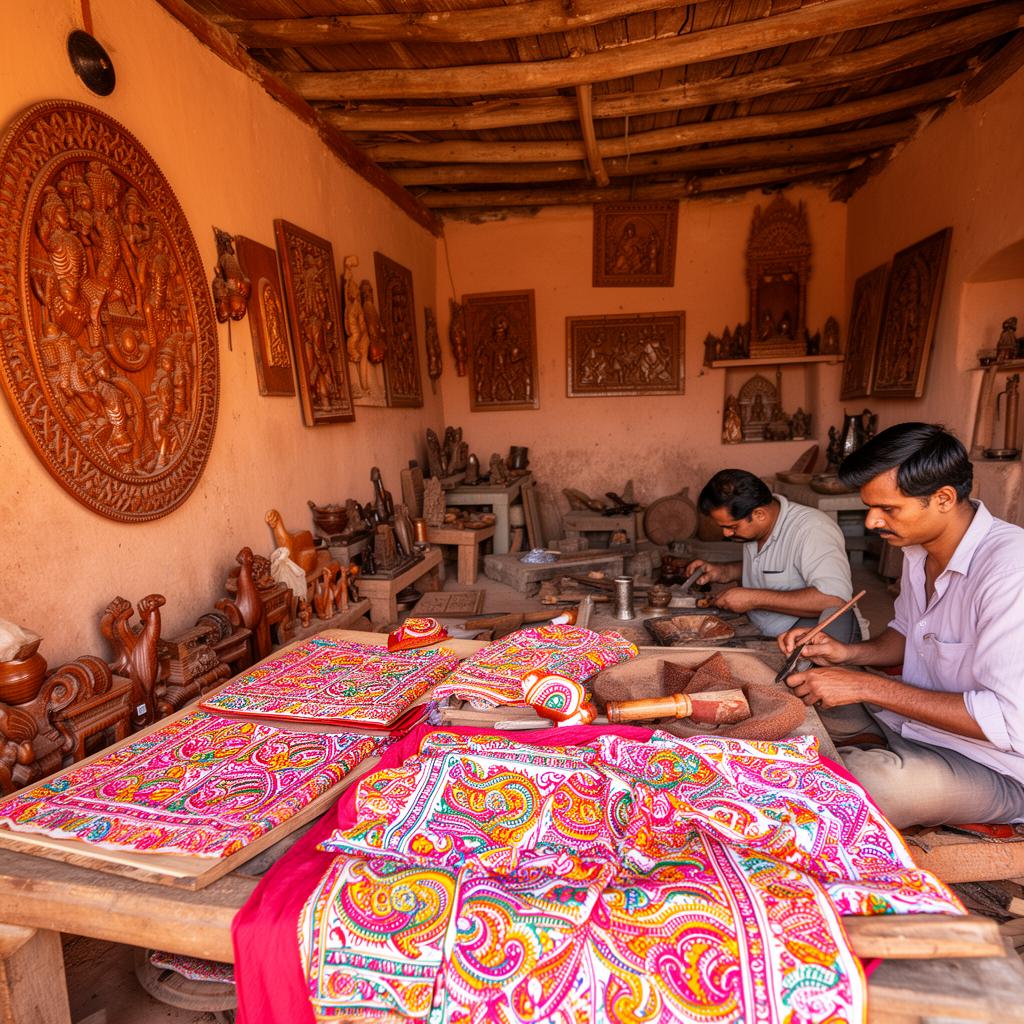
Shop for traditional handicrafts, block-printed fabrics, wooden art, souvenirs, and locally made products supporting village artisans and cultural heritage.
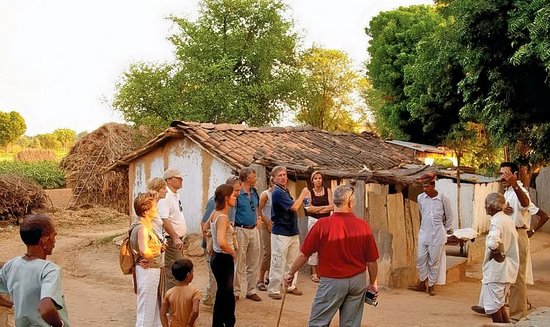
Experience rural life, meet local families, explore farms, traditional homes, crafts, and learn about Ranthambore's authentic village culture.
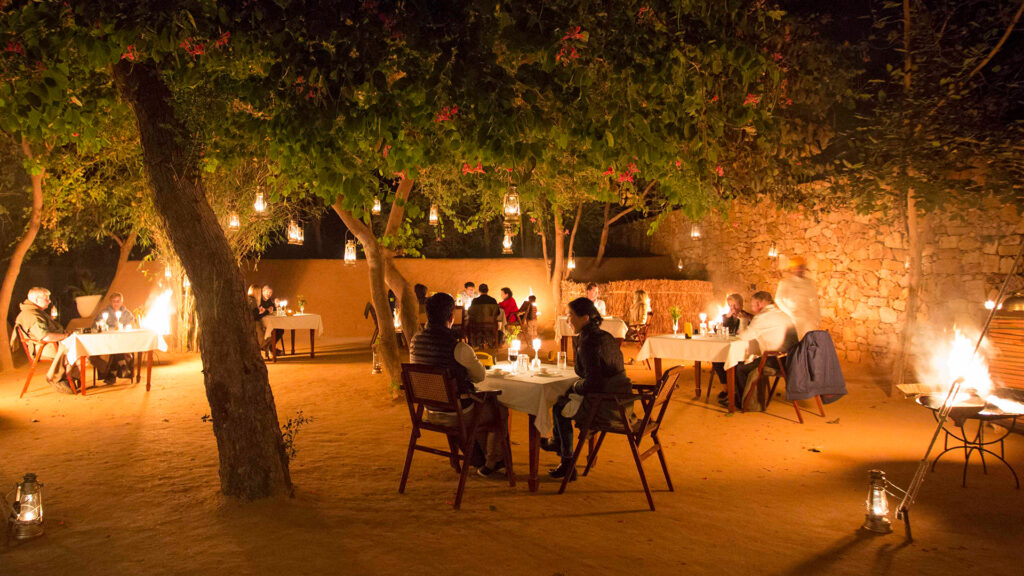
Taste delicious Rajasthani dishes, street snacks, traditional thalis, local sweets, and authentic flavours served in vibrant Ranthambore eateries.
Ready to explore wildlife?
Book your Ranthambore Trip now
Travel Guide
Your complete travel guide to Ranthambore with essential information on safaris, best time to visit, how to reach, and park zones.
Transport options
Seasonal guide
Activities and experiences
Must-see attractions
Booking information
Gateway district
Transport options
Seasonal guide
Activities and experiences
Must-see attractions
Booking information
Gateway district
Best Places to See in Ranthambore
Explore ancient forts, scenic lakes, temples, wildlife valleys, and cultural villages surrounding Ranthambore.
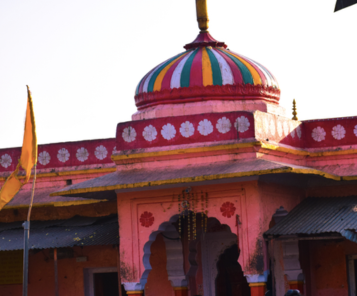
The Trinetra Ganesha Temple is the most famous and historic temple of Lord Ganesha, housing his entire family in one location.
The fort is home to a number of fascinating buildings, including imposing gates, tanks, historic temples, and high walls.
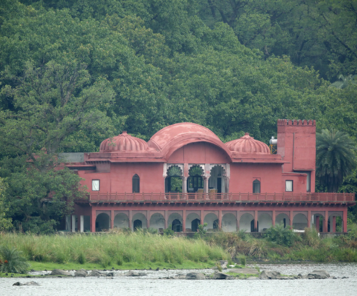
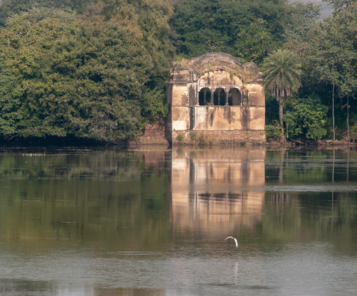
The Jogi Mahal is an opulent guest home and was formerly a hunting lodge frequented by the Maharajas of Jaipur.
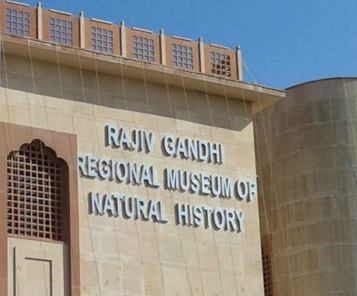
Museum of Natural History serves as a non-formal hub for raising public knowledge of nature and natural resources.
The Bakula region is regarded as the best area in the Ranthambore forest for tiger visibility.
The area is home to a variety of wild bears and deer, which are plainly observable while taking a tour of the valley.
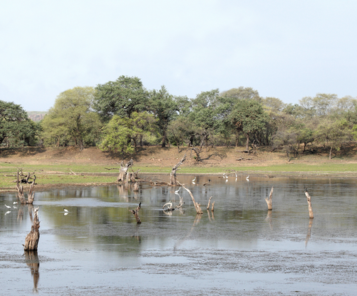
The lovely lotuses known as padams bloom inside the lake water and are a favourite drinking spot for wildlife.
The Rajbagh Talao is endowed with lush foliage and a variety of rich flora and fauna.
It observes a wide range of bird species, including plovers, herons, moorhens, kingfishers, storks, and so on.
The area is well-known for its population of sloth bears and access to food for their development.
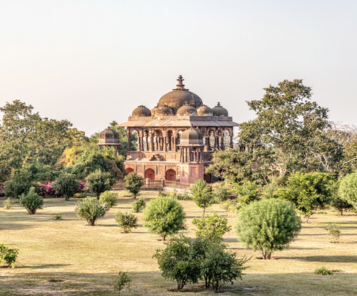
Rajbagh Ruins are the remains depicting the destroyed wealth of the former royal era.
Surwal Lake is a seasonal lake with shallow water exotic flora, appealing sceneries, and hypnotic aquatic beauty.
At the National Chambal Gharial Sanctuary, you can go on a Crocodile Safari or a Chambal River Safari.
Akaula region is one of the dense, lush green woods in the area. It helps to control the temperature due to its lakes and water holes.
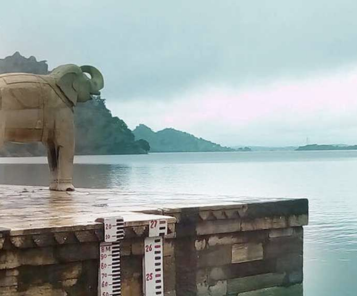
The Mansarovar Dam and Lake is a fantastic location for a variety of activities like bird viewing, hiking excursions, fishing, and excellent photography.
The school protects the natural world through its paintings and educates the public on the value of protecting wildlife for the survival of the planet.
The woman craft village takes its cues from Rajasthani women who value colour highly and are fervent about their handiwork and crafts.
Dastkar Ranthambore is a women's self-help movement that focuses on creating cloth bags to challenge plastic bags' dominance.
Plan Your Visit
Explore curated Ranthambore tour packages combining thrilling tiger safaris, comfortable stays, and unforgettable wildlife experiences.
Our Flagship Safari Lodge
Enjoy the finest stay in Ranthambore with a wide range of hotels and resorts— from budget stays to ultra-luxury retreats.


Seasonal Guide
Summer offers excellent tiger sightings, winter provides pleasant weather, while monsoon reveals lush landscapes.
April - June
During the summer months of April to June, temperatures can reach 40°C. The chances of seeing tigers and other animals are relatively high in this season because they visit water holes to satisfy their thirst.
Peak Tiger Sightings
October - March
The winter season lasts from October & lasts till March. Winter season time is best for its pleasant weather & the numerous opportunities for spotting the animals as they bask under the sun in Ranthambore National Park.
Ideal Safari Weather
July - September
The monsoon season lasts from July to September, and some areas are restricted to Monsoon. The core of the park, with Gates 1-5, is closed, while the buffer zone, with Gates 6-10, is still open to visitors.
Green Season
Getting There
Ranthambore is accessible by air, train, and road from major cities.
The nearest airport to Ranthambore is Jaipur International Airport, which is about 180 kilometers away. You may access the park by taxi or private vehicle from the airport.
The nearest railway station is Sawai Madhopur Railway Station, which is roughly 11 kilometers from Ranthambore National Park. Whereas Jaipur Railway Station is approximately 200 kilometers from the park. Both railway stations have significant rail access to India's main cities.
Ranthambore is connected to Delhi via Allahabad, which is connected to it via NH 76, while Agra and Bharatpur are connected to it via NH 11A and NH8, respectively, and Udaipur is connected to it via SH 1. 388 kilometers 8 Mumbai Udaipur Ranthambore National Park is 1031 kilometers away.
Detail Info
Explore detailed information about Ranthambore National Park, including its wildlife, facts, history, and rich forest ecosystem.
One of Rajasthan’s top destinations for wildlife tourism is Ranthambore National Park, the biggest and most well-known national park in North India. The Ranthambore forest has an area of 1334 square kilometers, of which 400 square kilometers are designated as a national park. 10 zones make up Ranthambore National Park, with zones 1 through 5 offering the best chances to see tigers. The best spot to see wild animals is near the intersection of the Aravali and Vindhya hill ranges since the animals are accustomed to the attention they receive there.
Ranthambore National Park in India is one of the best places to see beautiful carnivores in the jungle living natively and is most renowned for its tiger population. The tigers can be seen here at any time. This is the reason the area is incredibly well-known for its tiger trips.
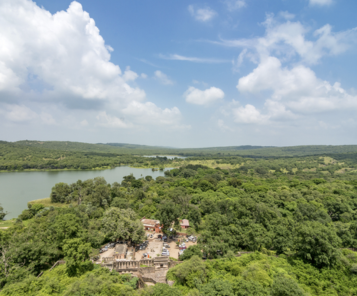
Ranthambore National Park is full of structures that remind you of bygone eras. The park includes a large number of water features that offer great comfort to the park’s wild animals throughout the scorching summer days. The park is named after a massive fort that dominates it from atop a hill. The forest has so many ancient ruins scattered throughout it, giving it a distinct, amazing, and blended flavour of nature, history, and wildlife. In the Ranthambore National Park, tigers have even been seen hunting in front of tourists too.
The Ranthambore Tiger Reserve, which is widely praised for providing natural habitat to a sizable population of Royal Bengal tigers, is well-known among wildlife enthusiasts for having tigers that are active during the day. Due to this, it’s easy for visitors to see tigers while on a day safari.
The park is best defined as a tiger-friendly environment that proudly preserves the most famous tigers in India, which can be recognised by the distinctive marks on their bodies and ruling territory. The park is considered and rated as one of India’s top wildlife reserves. It is the only national park in India where numerous tiger groups made up of mother and cub tigers can be seen. The deep foliage creates the perfect circumstances for the tiger to discreetly hunt for his prey.
You will be allured by the sight of majestic tigers wandering freely in the park, a bewildering array of rare animal and bird species, and captivating flora, and you’ll be grateful you went on this wildlife excursion!
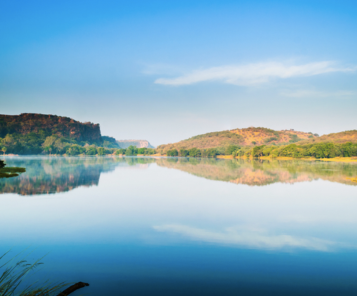
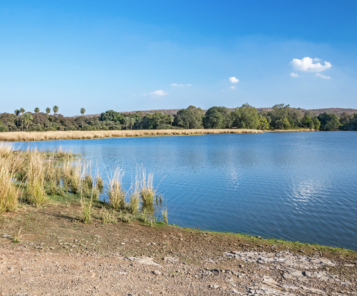
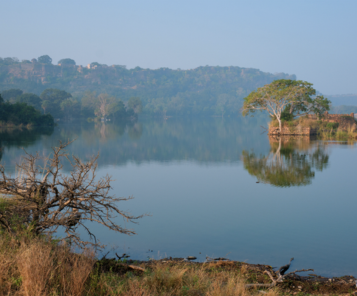
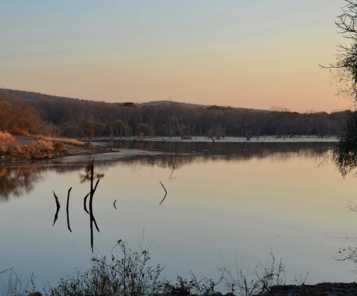
Ranthambore National Park is situated in the Sawai Madhopur district of Rajasthan. The magnificent Ranthambore Fort, Jogi Mahal, Ancient Temple, and Rajbagh Ruins, all memories of the glory and richness of the Rulers of Ranthambore, are among the heritage treasures that the Ranthambhore boasts of in addition to its flourishing tiger reserve. The Ranthambore National Park is famous for its beauty this forest is enhanced by numerous attractive lakes, including Padam Talao, Malik Talao, Raj Bagh Talao, and others, which are made up of deciduous forests, small hills, valleys, and lush foliage. The Chambal and Banas rivers encircle the park on either side, adding to the Ranthambhore forest’s natural atmosphere.

| Year | Quick Facts |
| 1973 | The forest has been selected for the tiger project and designated as the 7th Tiger Reserve. |
| 1980 | The famous Ranthambore forest has been designated as an Indian National Park. |
| 1984 | Ranthambore’s bordering forests are designated as the Sawai Mansingh Wildlife Sanctuary and the Kailadevi Wildlife Sanctuary. |
| 1991 | The Sawai Mansingh and Kailadevi Sanctuaries are included in the ranthambore tiger reserve zone. |
| 2004 | Tiger extinction was at high and a major problem. |
| 2008 | Tigers from Ranthambore was reintroduced in Sariska Tiger reserve |
| 2016 | New Safari Zones (6 – 10 ) was introduces for Jungle Safari |
Ranthambore’s history began in the 12th century when the Delhi Sultan conquered the Chauhan Kings and took control of the Ranthambore Fort. In the 13th century, Maharaja Govinda, one of the Chauhan Kings, reclaimed it, and Vagbhatta took over. Alauddin Khilji conquered the area in 1301, overthrowing Rajput king Hamir.
During the reign of Emperor Akbar in 1569 A.D., the true magnificence of the country of Ranthambore and its majestic fort reached its peak. The fort was thereafter given to the Kachwaha rulers of Jaipur, who used it as a favourite hunting location for the maharajas of Jaipur, Rajasthan, until India’s independence.
It was formally established as a game sanctuary in 1955, and in 1972 it received the distinction of being India’s Tiger Reserve. The Ranthambore Tiger Reserve was finally granted the title of a National Park in 1980, and ever since then, it has drawn a sizable audience of wildlife enthusiasts eager to see some of the rare and endangered Bengal Tiger species and other wild animals moving around freely in a natural setting.
The Ranthambore National Park is home to about 300 different plant species. Due to the area’s close proximity to the Thar, which receives very little rainfall, the park’s vegetation is mostly of the dry deciduous variety.
Nearly every species of animal and plant can be found in valleys. With almost 300 different types of birds, Ranthambore is also a bird lover’s paradise. Peacocks, partridges, green pigeons, parakeets, sparrows, prinias, warblers, etc. are examples of avifauna.
All throughout the year, there are tigers, sambhars, chitals, wild boars, smaller cats, caracals, chinkaras, nilgais, etc. There are also some excellent grasslands in the valleys, which are perfect hiding places for ground birds, smaller animals like tigers, and other big cats.
Got Questions?
Find answers to common questions about Ranthambore National Park
While it’s possible to visit Ranthambore National Park for just one day, it’s not ideal for a comprehensive wildlife experience. To increase your chances of spotting tigers and other wildlife, it’s recommended to spend at least 2-3 days in the park. This allows you to explore different zones and go on multiple safaris, increasing your chances of wildlife sightings.
Ranthambore National Park is renowned for its thriving population of Bengal tigers, making it one of the best places in India to spot these majestic creatures in their natural habitat. The park’s diverse flora and fauna, along with its historical backdrop of the Ranthambore Fort, also add to its fame. It offers a unique blend of wildlife and culture, making it a popular destination for wildlife enthusiasts and history buffs alike.
Yes, it is easy to spot Tigers in Ranthambore National Park in Zone 1 to 6 & 10 because of the high tiger population in the area. Spotting these elusive creatures in the wild can be challenging. Tigers are solitary and elusive animals, and their sightings depend on various factors like luck, time of day, and the expertise of your safari guide. To increase your chances of spotting tigers, it’s advisable to take multiple safaris and be patient during your visit.
Ranthambore National Park is located in the Sawai Madhopur District of Rajasthan state, India.
Yes, safari in Ranthambore remain operational for all 12 months in two slots morning and evening.
Yes, Ranthambore is definitely worth visiting, especially if you have an interest in wildlife and nature. The park’s stunning landscapes, rich biodiversity, and the opportunity to see tigers in their natural habitat make it a must-visit destination for wildlife enthusiasts, photographers, and anyone looking to experience the beauty of the natural world.

Ranthambore National Park remains open throughout the year all 12 months. But in Monsoon July to September Zone 1 – 5 remains close.
No, there is no accommodation inside the forest of Ranthambore. But you can stay on the borders of the park as there are a lot of resorts available there, which itself is a lifetime experience.